
Healing in Motion: Rediscovering Health Through Herbal Medicine and Natural Treatments
A dawn walk after years of pain sparked a journey into herbal medicine and integrative healing. Explore real stories, expert insights, and practical guidance for sustainable wellness.
A dawn walk: when healing begins in the cold
It was just past sunrise on a silent winter morning when I finally managed to leash my dog and step outside. The air stung my cheeks, coffee steamed in my gloved hand, and every crunch of snow underfoot felt like a small victory. After years of chronic pain that kept me housebound, this simple walk to the corner café became a turning point—not because of distance, but because it restored a sense of trust in my own body. In that quiet routine, I found the first spark of hope that would lead me down the winding path of herbal medicine and natural therapies.

Why now? For many between 45 and 70, quick fixes have lost their appeal. Instead, there’s a hunger for approaches that honor complexity—methods that blend science, tradition, and lived experience. Stories of recovery are more than inspiration; they’re roadmaps for reclaiming function and dignity. This is where herbal medicine enters—not as folklore, but as a living practice woven into real lives.
Stories from the edge: struggle, discovery, renewal
Tanner: breaking free from invisible pain
Tanner’s childhood was marked by trauma and later addiction—a shadow that followed him through endless doctor visits and dashed hopes. Chronic pain became his constant companion until one Christmas night when his car wouldn’t start and police found him at his lowest ebb. That crisis cracked open the door to change. He discovered Dr. Sarno’s work on neuroplasticity and built his recovery on five pillars: shifting beliefs about pain, retraining the brain through gradual exposure, emotional processing, nervous system regulation, and rebuilding social safety.

"Your pain is 100% real." Tanner repeats this mantra to anyone dismissed or stigmatized by invisible illness.
Rachel: the power of multidisciplinary care
Born with brittle bone disease, Rachel endured decades of surgeries before finding relief at a specialized clinic in Indianapolis. There she received epidural injections, radiofrequency ablation (RFA), and eventually an implanted pain pump—treatments that returned her ability to travel and work. Her story highlights the necessity of collaborative care: medical interventions paired with psychological support yield results no single approach can achieve.
Mosaic journeys: crystal, lisa & michael
- Crystal faced postpartum pain dismissed by doctors.
- Lisa struggled with back injury stigma.
- "Michael" coped with lupus flares while advocating for personalized plans.
"Recovery isn’t linear," Crystal says. Setbacks are part of the process—relapses aren’t failures but invitations to adapt.
The five pillars: integrating herbal wisdom into recovery
#1 Changing beliefs
"My body isn’t broken; my brain is protecting me," Tanner learned to say. Education reframed his experience—herbal anxiolytics like passionflower or lemon balm provided gentle support for anxiety during this shift.
#2 Retraining through movement
"Start small," he recalls—walking down the block became jogging months later. Adaptogenic herbs such as ashwagandha or rhodiola helped buffer stress as he rebuilt confidence.
#3 Emotional processing
Years of suppressed grief kept Tanner's nervous system on high alert. Journaling and somatic therapy were crucial; calming herbs like valerian supported sleep but never replaced professional help.
#4 Nervous system regulation
Fight-flight-freeze responses faded as Tanner practiced breathwork alongside gentle herbal sedatives—always mindful of interactions with medications.
#5 Social safety & life redesign
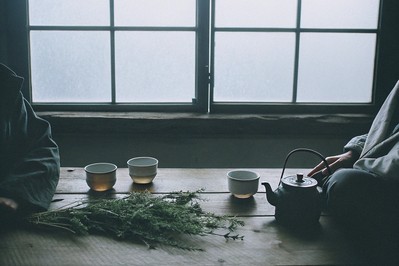
Changing environments mattered as much as any supplement. Herbal teas became rituals shared in support groups—a bridge to community rather than isolation.
Limits & opportunities: where nature meets medicine
Rachel’s journey underscores that even advanced interventions like RFA or pain pumps require careful integration—not replacement—by herbal remedies. Access depends on geography and expertise; stigma around opioids complicates matters further.
Herbal medicine supports but does not substitute for expert clinical care—especially when complex devices or opioid therapy are involved.
- Herbal anxiolytics (e.g., lemon balm) may ease nervous tension—but always check for drug interactions.
- Anti-inflammatory botanicals (like turmeric) offer mild relief for degenerative conditions.
- Adaptogens can buffer stress during transitions—but consult your provider if you have a history of addiction or use implants.
- Low-budget protocols (chamomile tea for sleep; topical arnica) can be safe entry points—but know when to seek medical help.
Coming home: what healing really means
All these stories—dawn walks after years indoors, Rachel’s cross-state search for care, Crystal’s daily negotiations with her body—circle back to one truth: healing is rarely straightforward or final.
"Maybe next year you’ll be pain-free," someone offers hopefully—but everyone knows setbacks are part of the journey.
Healing is returning—to yourself, your community, your responsibility to choose wisely each day.
Herbal medicine can be a bridge—not a cure-all—linking us back to connection, skilled guidance, and personal courage. A blog born from these stories must become more than information—it should be a gathering place where knowledge meets compassion and every reader finds not just advice but genuine hope.