
Health Through Herbal Medicine and Natural Treatments: A Practical Case Study
Explore how herbal medicine and natural treatments can support mood, resilience, and wellbeing. Learn practical steps, safety tips, and key lessons for effective plant-based self-care.
The case for herbal medicine in modern wellbeing
In today's fast-paced world, stress, anxiety, and persistent fatigue affect millions. Many are searching for gentle yet effective ways to enhance their health without relying solely on pharmaceuticals. Herbal medicine is experiencing a resurgence—not just as a nod to tradition but as a practical response to the limitations of conventional care. This case study explores how integrating plant-based therapies can support mood, nervous system resilience, and emotional wellbeing, offering actionable insights for those new to herbal approaches.

Background: context, challenges, and objectives
With rising rates of depression, anxiety, and burnout—especially among adults aged 25–50—there is growing interest in safe, evidence-informed herbal solutions. Many people want clear guidance on matching herbs to their unique symptoms while minimizing risks. Key drivers include dissatisfaction with medication side effects, increased access to quality herbal products, and greater awareness of the gut-brain connection in mental health.
- More people are seeking alternatives to conventional medications.
- Demand for personalized care is increasing.
- DIY herbal remedies are more accessible than ever.
- Understanding the link between digestion, inflammation, and mood is growing.
Approach: mechanisms, matching symptoms, preparation & safety
Understanding herb actions
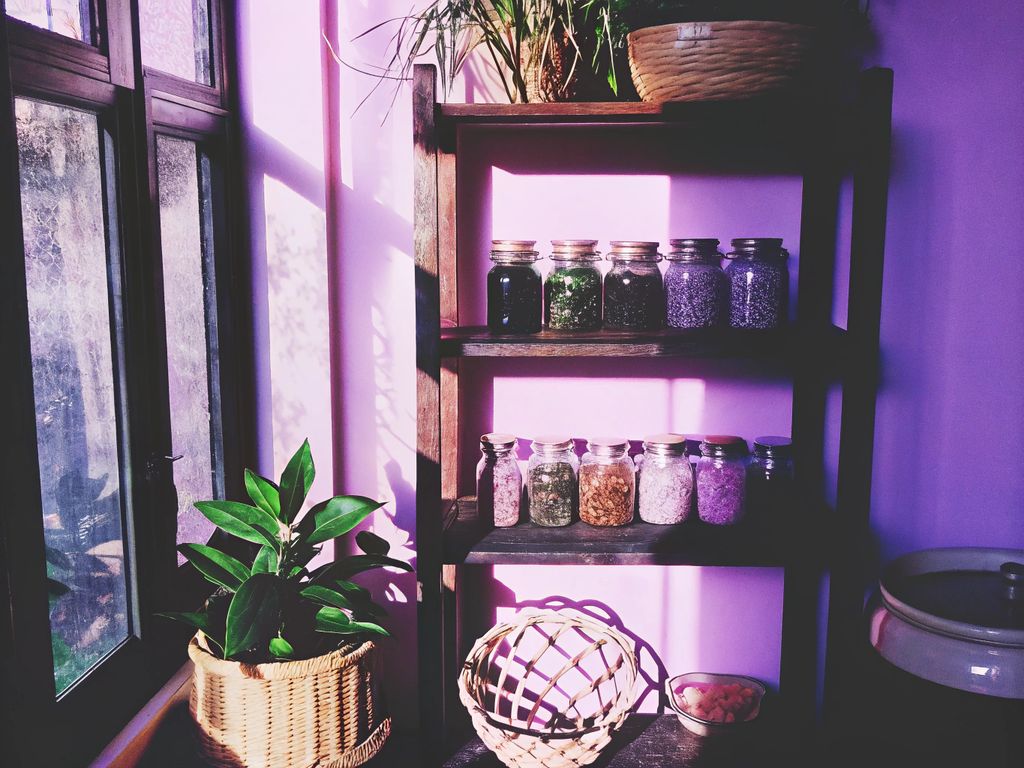
Effective use of herbal medicine starts with understanding how different plants work in the body. For example, St John’s wort supports mood by influencing neurotransmitters like serotonin and dopamine. Nervines such as passionflower or kava calm the nervous system through GABA pathways. Adaptogens like ashwagandha help the body adapt to stress over time by supporting hormonal balance.
- St John’s wort: Seasonal mood support; modulates neurotransmitters.
- Kava: Eases acute muscle tension and performance anxiety.
- Passionflower: Calms repetitive thoughts at bedtime.
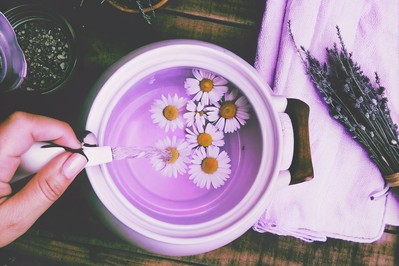
- Chamomile & catnip: Soothe digestive issues linked to stress.
- Milky oats: Restore nerves during deep exhaustion.
Matching plants to people
"Personalizing" herbal protocols means choosing herbs based on both physical symptoms and emotional tendencies. For example, someone whose mood drops during winter may benefit from St John’s wort in seasonal cycles. Those with ruminative anxiety might find passionflower helpful at night.
"Preparation & dosing"
Simple preparations such as teas or infusions are ideal starting points. Cold infusions (like overnight chamomile) maximize calming effects; hot infusions extract more digestive compounds. Tinctures offer potency but require careful dosing.
- Cycle potent herbs (like adaptogens) every 3–4 months.
- Start with one cup of tea three times daily for chronic support.
- Use blends for general wellness; singles for targeted needs.
Safety first
Safety is crucial when using herbs. Some plants interact with prescription drugs or have specific contraindications (e.g., St John’s wort can affect birth control efficacy). Always check interactions before starting a new herb—especially if pregnant or taking medication.
Results: outcomes from real-world use & key lessons learned
Practical application of these principles has led to measurable improvements in mood stability, anxiety reduction, and overall resilience among users who follow personalized protocols. Seasonal use of St John’s wort has lifted winter blues for many; kava has helped individuals manage acute stress before public speaking; milky oats have supported recovery from chronic burnout.
One cup three times a day is my go-to rule for steadying my nerves naturally.
- Seasonal cycling (3–4 months) maintains herb effectiveness.
- Matching remedy to emotional expression increases success.
- DIY recipes empower safe experimentation at home.
Key takeaways: practical insights for safe herbal exploration
Personalize your approach—match herbs not just to symptoms but also emotional patterns for best results.
- Use St John’s wort seasonally for winter blues—not year-round.
- Kava is best reserved for occasional acute anxiety.
- Chamomile suits expressive digestive worriers; catnip helps quiet internalizers.
- Cycle adaptogens like ashwagandha every few months.
- Choose reputable brands or local sources whenever possible.
By starting simple—such as brewing teas or making gentle blends—and observing your body's responses closely, you can safely explore the benefits of herbal medicine. Community workshops and online resources provide valuable peer support along the way.