
Turning information overload into a trusted herbal toolkit
Turning information overload into a trusted herbal toolkit Picture your kitchen table transformed into a practical laboratory: jars filled with dried leaves and roots, amber bottles with droppers, and a...
Turning information overload into a trusted herbal toolkit
Picture your kitchen table transformed into a practical laboratory: jars filled with dried leaves and roots, amber bottles with droppers, and a small scale weighing out grams of something that might soothe a sore throat or calm a restless mind. In 2025, we face a paradox—information is everywhere, but clarity is rare. The internet promises easy answers but often delivers confusion. Yet, reliable voices remain. For example, David Winston, a clinical herbalist and ethnobotanist with over five decades of experience, has shaped herbal education and safety standards for years. His work, alongside resources like the Botanical Safety Handbook, offers anchors in a sea of content.
This guide aims to help adults with basic knowledge build a safe, meaningful home herbal practice—without romantic shortcuts or rigid dogma. We’ll explore how to curate a small, effective herbal repertoire, set up a home apothecary, and integrate natural remedies with modern medicine, all while prioritizing safety and practical outcomes.
Curating a reliable herbal repertoire from endless options
One of the biggest challenges today is sifting through the overwhelming amount of herbal information online. Many people start with enthusiasm but quickly become lost in a maze of conflicting advice, miracle claims, and marketing hype. The key is moving from chaos to curation—selecting a handful of trusted herbs and sources, and learning them well.
- Start small: Focus on 3–4 health areas (e.g., immunity, digestion, sleep, stress).
- Choose 2–3 herbs per area: For example, elderberry and echinacea for immunity; ginger and peppermint for digestion.
- Use reputable suppliers: Look for organic, well-reviewed sources like Starwest Botanicals, Frontier Co-op, Pacific Botanicals, and Mountain Rose Herbs.
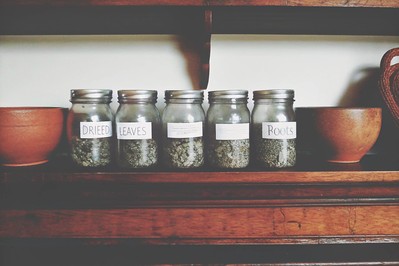
- Rotate and store wisely: Keep herbs in airtight jars, away from light and heat, and use a rotation system to avoid waste.
“Curation wins over chaos—start with a few herbs, learn them deeply, and build from there.”
Building a home apothecary: tools, storage, and sourcing
A home apothecary doesn’t require a pharmacy’s worth of supplies. With a few basic tools and a clear system, you can prepare and store remedies safely and efficiently.
Essential tools and ingredients
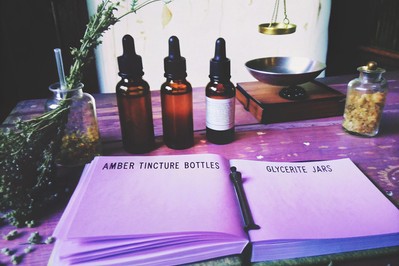
- Jars and bottles: Mason jars for bulk storage; amber dropper bottles (30–120 ml) for tinctures and syrups.
- Measuring tools: A kitchen scale, funnels, and cheesecloth for straining.
- Solvents: 80–100 proof vodka (40–50% ethanol) for tinctures; vegetable glycerin for alcohol-free extracts (especially for children).
- Capsule maker: Optional, for making herbal capsules.
Sourcing and logistics
- Start with small quantities: Buy 4 oz packages before investing in bulk.
- Prioritize organic: Reduces risk of contaminants.
- Track shelf life: Dried herbs last 1–2 years; tinctures can last several years if stored properly.
Integrating herbal remedies with modern medicine
Herbal medicine is most effective when used as a complement—not a replacement—for conventional care. For example, in early Lyme disease, antibiotics like doxycycline are essential, but herbs and probiotics can support recovery and gut health.
- Know when to use what: Use antibiotics for acute infections; herbs for support and prevention.
- Communicate with your doctor: Share your herbal regimen to avoid interactions.
- Use diagnostic patterns: Instead of matching one herb to one symptom, ask: Do I feel hot or cold? Dry or damp? This helps select the right remedy for your unique situation.
“Integration, not opposition—antibiotics when needed, herbs for support and recovery.”
Safety first: heuristics and practical guidelines
Safety is the foundation of any herbal practice. While most culinary herbs are broadly safe, medicinal herbs require more care, especially regarding dosage, interactions, and special populations like pregnant or breastfeeding individuals.
Key safety principles
- “Food – medicine – poison” heuristic: Culinary herbs are generally safe; medicinal herbs need knowledge and limited duration; toxic herbs should only be used under expert supervision.
- Interactions: Real but rare. Most reported in lab or animal studies. Always check the Botanical Safety Handbook and consult a qualified practitioner.
- Pregnancy and breastfeeding: Never self-prescribe. Always consult a specialist.
- Start low, go slow: Begin with low doses, observe effects, and adjust as needed.
“Interactions are very real and very rare.” — David Winston
Common pitfalls to avoid
- Overdosing: For example, too much ginger can cause nausea.
- Allergies: Be cautious with bee products (like propolis) and plants related to ragweed.
- Substitution errors: Always verify Latin names to avoid confusion (e.g., “ephedra” vs. “aedra”).
Case study: a family’s 12-week herbal journey
Let’s look at how a two-person household in their late 30s set up a home apothecary over 12 weeks, aiming to reduce reliance on over-the-counter remedies for sore throats, digestion, sleep, and seasonal immunity—while still using conventional medicine when necessary.
The challenge
- Information overload: Too many sources, conflicting advice.
- “Pill now” mentality: Expecting instant results.
- Safety gaps: Limited data for pregnancy, fear of interactions, dosing confusion.
- System barriers: Keeping track of supplies, doses, and family motivation.
The approach
- Scope: 12 weeks, 4 main health areas.
- Herbs chosen:
- Immunity: Andrographis, astragalus, elderberry, echinacea.
- Respiratory: Marshmallow root, mullein.
- Digestion: Peppermint, ginger, meadowsweet.
- Stress/Sleep: Milky oats, passionflower.
- Preparations: 10 tinctures/glycerites, 2 syrups, 3 tea blends, 1 salve.
- Safety checks: Consulted the Botanical Safety Handbook 6 times; no serious interactions.
- Integration: Used antibiotics for acute infections, herbs for recovery and prevention.
Outcomes tracked
- Inventory: 12–16 herbs, 8–12 preparations; initial cost tracked; minimal waste.
- Health results: Sore throat episodes shortened by 1–2 days with elderberry syrup; sleep quality improved from 5/10 to 7/10 after 3 weeks of passionflower and milky oats; digestive discomfort reduced with ginger and peppermint.
- Safety: No serious side effects; one mild ginger overdose corrected by reducing dose.
- Adherence: Evening herbal rituals completed most nights; both household members participated.
Trends shaping herbal medicine in 2025
Herbal medicine is evolving rapidly, with both opportunities and challenges:
- Professionalization: Two-year training programs and organizations like the American Herbalists Guild (AHG) raise standards, but regulatory uncertainty remains.
- Information glut: The internet offers endless advice, but curated resources like Winston’s library and the online Botanical Safety Handbook are more valuable than ever.
- Oversimplification: Marketing often promotes “one herb, one problem,” but clinical practice relies on formulas and patterns.
- Community learning: Live Q&A sessions and local events foster shared learning, but critical thinking and collaboration with healthcare providers are essential.
Opportunities and risks for home herbalists
Opportunities
- Starter kits: Clear lists—12 herbs, 6 tools, 4 solvents—make getting started easy.
- Micro-learning: “One herb a month” modules with dosing journals.
- Trusted partnerships: Links to reputable books, safety handbooks, and suppliers.
- Community engagement: Q&A sessions and live events for real-world questions.
Risks
- Pregnancy/breastfeeding: Data gaps—always refer to specialists.
- Overdosing/allergies: Start with low doses, monitor reactions.
- Delaying medical care: Never substitute herbs for needed antibiotics in acute infections.
- Naming confusion: Always double-check Latin names before buying or using herbs.
Practical lessons and replicable insights
- Less is more: Focus on 3–4 health areas, 2–3 herbs each, and one preparation method to see measurable results.
- Pattern recognition: Use “hot/cold, dry/damp” questions to guide herb selection, rather than matching products to symptoms.
- Safety discipline: Follow the “food – medicine – poison” rule and always check trusted safety references.
- Integrative mindset: Use herbs to support, not replace, conventional medicine.
- Curation matters: Choose reputable suppliers, start small, and use tinctures for longer shelf life.
Open questions for future exploration
- How can we teach simple pattern assessment (“hot/cold, dry/damp”) to beginners without overwhelming them?
- Which outcome metrics are most sensitive for home tracking—time to relief or days missed from work?
- What’s the best way to structure collaboration with primary care doctors to reduce anxiety about interactions while preserving herbal benefits?
- Can we map a minimal set of 10 peer-reviewed studies to support each of the four main home apothecary domains, without losing accessibility?